Warehouse floors take a beating. Dust, debris, and fine particles build up fast, and a slow cleaning routine compounds every other problem on the floor. When your team spends more time cleaning than moving product, it's time to reassess.
The right push sweeper cuts that time down without adding staff or cost. Here's what separates a truly fast setup from the rest.
1. Wide Cleaning Path
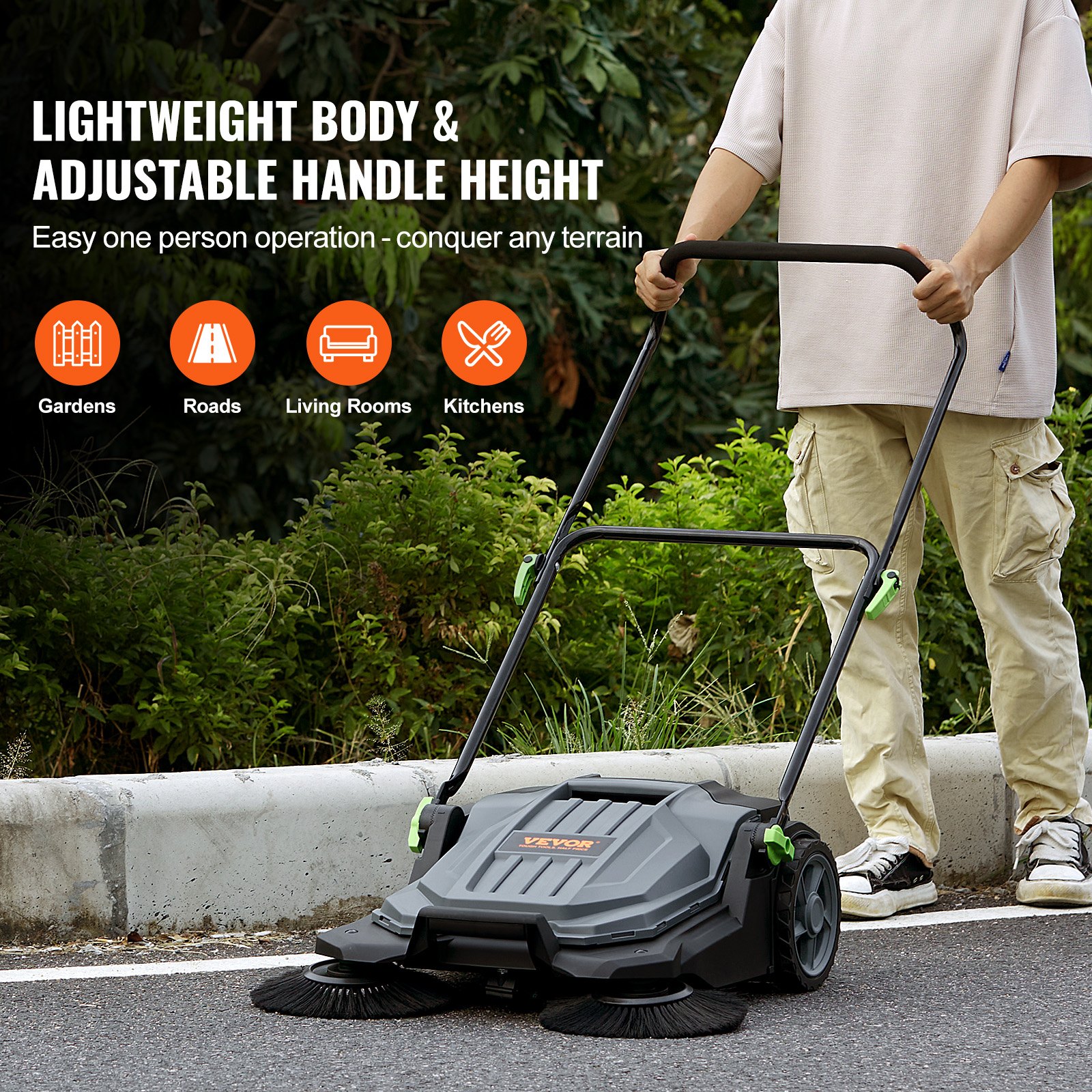
A wide cleaning path is probably the single biggest time-saver on any warehouse floor. Also the push sweeper from VEVOR or other retailers covers a broad swath per pass; fewer back-and-forth runs across large bay areas or loading zones means less wheel time and more actual cleaning.
Most standard push brooms clear about 12 to 18 inches per stroke. Jump to a 24-inch or wider path, and you're cutting coverage time nearly in half. On a 10,000-square-foot floor, that difference adds up to 20 or 30 minutes per cleaning cycle, every single day.
The wider the path, the fewer times a worker has to reposition and restart. Straight runs feel faster. They're less tiring too. Your team finishes and gets back to work that actually moves your operation.
2. High-Capacity Debris Hopper
A large debris hopper reduces how often someone stops to empty the sweeper. Stops kill time; each dump run costs you 60 to 90 seconds. Over a full shift, those breaks add up.
Warehouse floors carry a mix of debris types: cardboard shreds, plastic straps, packing dust, and dirt. They don't all behave the same way. A hopper with 10 liters or more of capacity handles that variety without constant interruption.
The best hoppers sit at a convenient angle for dumping. No shaking. No scraping. No awkward bending. A well-designed hopper empties in under 10 seconds and snaps back into position without tools or fussing.
3. Adjustable Brush System
A fixed brush height works fine on smooth concrete. But warehouse floors rarely are. Uneven joints, floor seams, door thresholds, and worn patches all create gaps where debris hides if the brush can't adjust.
An adjustable brush system maintains consistent contact across surface variations. You set the brush depth for your specific floor conditions; the sweeper picks up more debris per pass instead of skimming over the rough spots. That's the difference between a thorough job and a half-hearted one.
Some adjustable systems also let you swap brush types. Softer bristles for fine dust, stiffer ones for heavier grit. One sweeper handles the whole floor, so you don't need two separate cleaning tools.
4. Dust-Control Side Brushes
Side brushes pull debris from baseboards, pallet rack bases, and floor edges into the main cleaning path. Without them, you'd need a separate broom to pass along every wall and rack row. That's extra work nobody wants.
And side brushes stir up fine particles. Here's the thing: the best push sweepers pair them with a dust containment design (usually a front deflector or rubber skirt) so kicked-up dust gets captured instead of sent floating across the warehouse.
Fine dust is what most teams underestimate. It settles back onto the floors within minutes, effectively undoing your cleaning pass. A sweeper that controls dust while it sweeps means you clean once, and the floor actually stays cleaner longer.
5. Ergonomic Handle with Height Adjustment
Speed isn't just about the machine; it's about the person using it. A poorly positioned handle makes every push harder, tires workers out faster, and slows everything down.
An ergonomic, height-adjustable handle lets workers of different heights push at a natural, upright posture. Less strain per pass means more ground covered before fatigue sets in. Over a two-hour cleaning session, that stamina difference translates directly to a cleaner warehouse.
So the handle matters more than most buyers think; you'll notice the difference right away once someone uses a comfortable one. Look for a handle that locks at multiple heights and doesn't wobble under pressure; a solid, comfortable grip keeps each push deliberate and controlled, which also means less debris scatter and cleaner results overall.
Conclusion
The 5 push sweeper features that make warehouse cleaning faster come down to a few clear mechanics: wider paths, bigger hoppers, adjustable brushes, dust control, and a handle built for actual human use. None of these is complicated. But together, they're what separate a sweeper that finishes the job quickly from one that just moves debris around. If your current setup feels slow or inconsistent, figure out which of these features you're missing and start there.
*This is a collaborative post. All views and texts are our own.