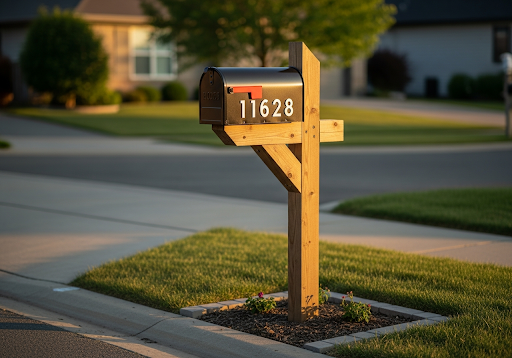
A mailbox might seem like a minor detail in the grand scheme of homeownership, but its placement, support structure, and condition have a real impact on mail delivery, pedestrian safety, and the impression your home makes from the street. Whether you're starting fresh with a new installation or updating existing mailbox posts and stands, getting the balance right between postal regulations, durability, and visual appeal matters more than most people realize. This guide walks through the essentials-correct placement, support selection, installation basics, and ongoing maintenance-so you can make informed decisions from the start.
Understanding Mailbox Placement Requirements
Placement is the foundation everything else builds on. A mailbox that's too low, too close to traffic, or set back too far can delay deliveries, create hazards for passing vehicles, or put you out of compliance with postal and local road authority guidelines.
The U.S. Postal Service and most road authorities recommend positioning the bottom of the mailbox 41-45 inches above the road surface, with the front of the box sitting 6-8 inches back from the curb. These dimensions allow mail carriers to reach the box from their vehicle without stepping out, which keeps both the carrier and passing traffic safer.
When there's no raised curb, or when road conditions are unusual in some other way, it's worth contacting your local postmaster or municipality for adjusted guidance. Requirements can vary by region, so a quick verification before you start digging is time well spent.
Key Takeaway: Confirm height and setback measurements before installation, and check with local authorities if your road conditions differ from standard.
Choosing a Safe and Suitable Mailbox Support
Mailbox supports generally fall into three categories: post-mounted, stand or multi-box configurations, and wall-mounted. Post-mounted setups are by far the most common choice for curbside residential use. Shared driveways and rural routes often use stands designed to hold multiple boxes, while wall-mounted options work well for homes where roadside installation simply isn't practical.
Whatever type you're considering, safety should drive the decision. Supports that are overly rigid-think large metal pipes or concrete-filled posts-can cause serious injury or vehicle damage if struck. Road safety guidance consistently recommends breakaway or bendable supports that yield on impact rather than holding firm. Good material choices include 4"×4" wooden posts or light-gauge steel or aluminum pipe (approximately 2" in diameter). Posts should be anchored no more than 24 inches deep, which allows for controlled yielding if a vehicle makes contact.
Basic Installation Principles
Before you pick up a shovel, contact your local utility marking service to identify any underground lines at the site. Mark the correct setback from the curb, then take a close look at soil conditions and drainage before committing to a location.
For a standard post installation, dig a hole roughly 18-24 inches deep. Add a layer of gravel at the bottom-this improves drainage and helps reduce rot or rust over time. Set the post, pour fast-setting concrete around it, and leave a slight gap below ground level to allow water to run off rather than pool. Before the concrete begins to cure, check that the post is plumb on two perpendicular faces and make any corrections right away.
Once the concrete has fully cured, mount the mailbox so its bottom aligns with the recommended height and its front sits at the proper setback. Pre-drill pilot holes in wood posts to prevent splitting, and use weather-resistant hardware throughout-it's a small detail that pays off over time.
Maintaining Your Mailbox for Safety and Durability
Regular inspections are the simplest way to keep your setup safe and functional. During each check, look for:
- Leaning or shifting posts and any loose mounting hardware
- Rust, damaged hinges, or a door that doesn't close securely
- Overgrown vegetation or accumulated snow blocking carrier access
- Peeling paint or coating that leaves wood or metal exposed to moisture
For wooden supports, exterior paint or a penetrating stain with UV protection significantly slows moisture damage. For metal components, catching surface rust early-before it works its way into the structure-is far easier than dealing with the consequences later. On the aesthetic side, small updates like adding clear, reflective house numbers or refreshing the finish with a neutral color can improve nighttime visibility and complement your home's exterior without interfering with function.
Bringing Safety, Function, and Style Together
A well-placed, properly installed, and consistently maintained mailbox serves three practical purposes: safe, compliant placement; sound structural support; and ongoing care that preserves both function and appearance. When you think of it as part of a safer, more accessible streetscape rather than simply a decorative fixture, the mailbox becomes a small but genuinely meaningful element of how your home presents itself and operates day to day. Take a look at your current setup against these principles, and treat any gaps in safety, accessibility, or durability as the priority-well before turning your attention to aesthetics.
*This is a collaborative post. All views and texts are our own.