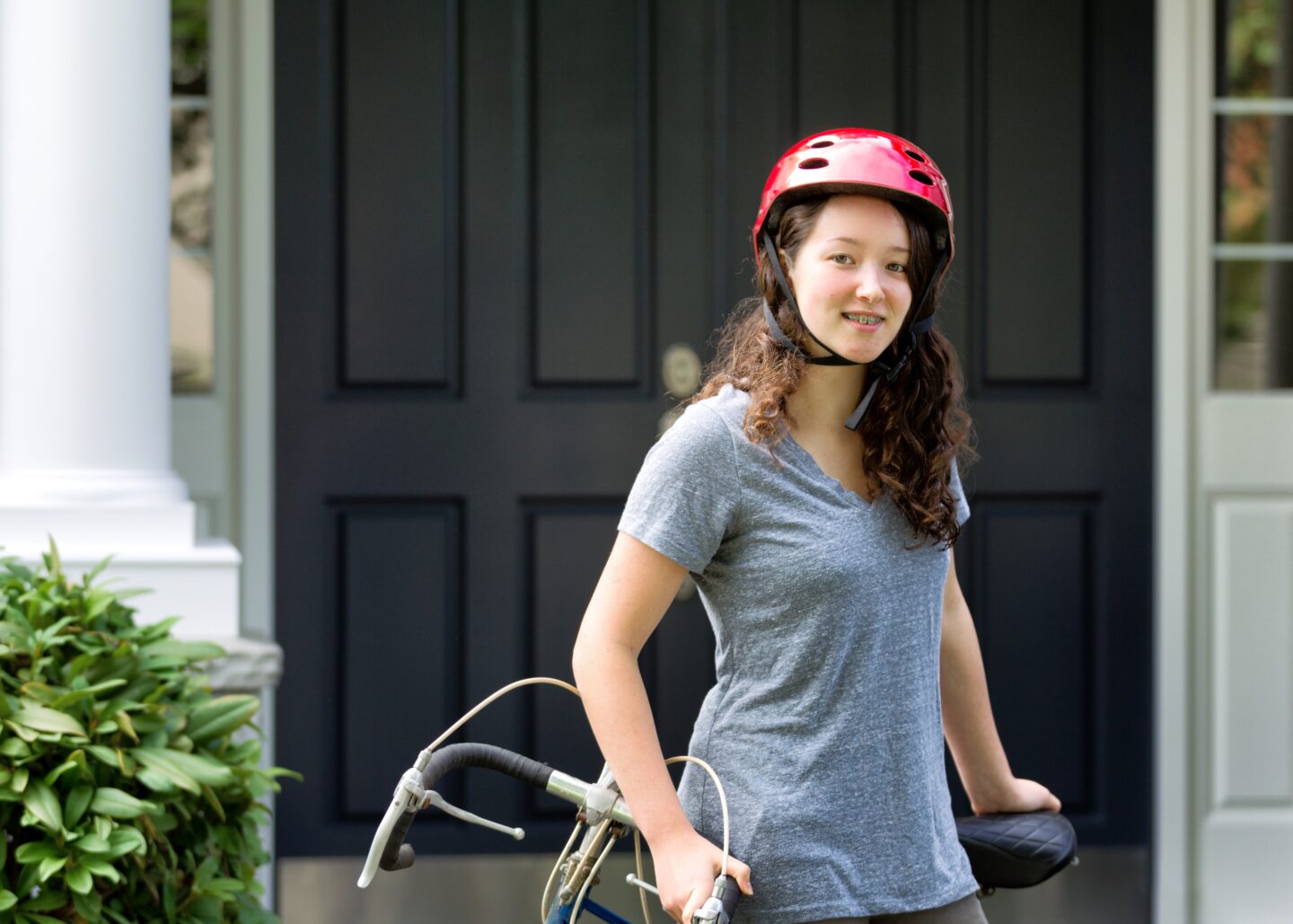
The conversation with your teenager about wearing safety gear, especially helmets, can be an uphill battle for many parents.
While they enjoy their bike, scooter, or, in the case of older teens, motorbikes, many parents are sweating at home thinking whether they're actually safe or if they chose to take the gear off.
So here's how to have those conversations, with research-backed advice.
Because I Said So Doesn't Work
Sometimes, things would be much easier if this just worked. But independence and autonomy matter to teens more than manyof us remember. If the rule feels imposed, arbitrary, or like a punishment, your teen may rebel against it. Yes, even when they understand the logic behind the rule.
Make sure not to frame the safety gear rule as a sign of mistrust or a barrier to fun, because that's a sure way to inspire dissent. So how do you frame it?
So not obedience, but a focus on your teen's capability and choice. Helmets, protective pads, and reflective gear are there to ensure there are fewer limits. They will prevent injuries that can cause them to miss out on seeing their friends or participating in sports, dances, or travels.
And case of injuries, the injuries are generally milder with safety gear, meaning they can go back to doing what they enjoy sooner. Basically, gear keeps their options open, meaning they can keep doing what they like next week, and next month, and they don't have to worry so much about plans changing.
Another thing to avoid is horrifying them with worst-case scenarios. They already know these things can happen, but they don't think it can happen to them. In these cases, your warnings may sound exaggerate Focus on more potential consequences that are more tangible, such as missing a tournament because of a broken ankle.
Choice and Independence
This is one of the easiest fixes in this entire attempt to have your kid follow safety rules. They don't want to wear the helmet or another piece because it's uncomfortable, ill-fitting, or outdated. If they think they look weird in it, they are not going to wear it.
Let them pick their own gear, which works with their style. If they feel ownership over the process and the equipment, they're more likely to use it consistently. And over time, make sure you replace the gear so it's still comfortable, fitted properly, and not embarrassing in some way.
Next, make sure you wear your safety gear. You already know they're not going to listen to you if they see inconsistencies. Reinforce the idea that safety gear is also for adults. It's just a wise habit that lets you keep doing what you want to do.
And if they want some level of risk, you know it's also a natural part of growing up. You can't stop them, but you can help them manage risk. It can be skateboarding, scootering, biking, and later riding a motorbike or driving.
Focus on building trust and communication, as you don't want sneaky behavior. Tell them you trust their judgment, that you know they're still learning when they make a mistake, and that you want to give them tools to manage risk better and actually have fun, not control them. Explain that they will need to gain experience, but do it as safely as possible, as the crash rate for younger motorcycle riders declines by around 42% as experience doubles.
Use the time to teach them about general road safety, visibility, making assumptions about other participants, and staying aware and patient. Talk to them openly about the processes that surround road safety, the mistakes that can happen, the injuries and how they can be treated, and the steps families take when something serious happens.
Respect them by including them in adult conversations. And in rare cases when a bike or motorcycle injury does happen, families may choose to talk to a motorcycle accident lawyer dealing with head injury cases to understand the next steps better. This isn't about expecting problems or fear-mongering, but informing your child of the realities of traffic.
*This is a collaborative post. All views and texts are my own.